

An AI feature can keep answering requests while its underlying behaviour changes. For a business relying on a website assistant, document extractor or mobile workflow, that creates a practical question: will the customer still complete the same task correctly?
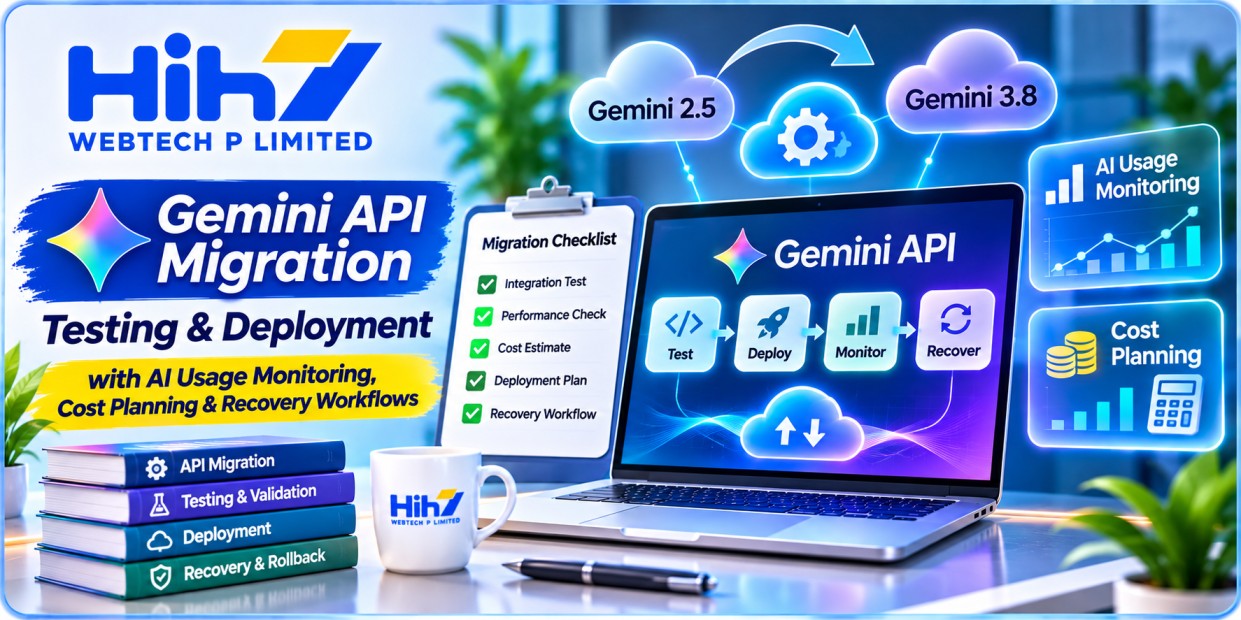
Google’s 2 November 2026 announcement makes that question timely. From 1 December 2026, API requests to Gemini 2.5 Pro will automatically route to Gemini 3.8 Flash, while Gemini 2.5 Flash requests will route to Gemini 3.5 Flash-Lite. Destination-model rates will apply. A Gemini 2.5 API migration should therefore be treated as a small software release with clear business acceptance criteria.
Confirm exactly which features are affected
Start with an inventory, rather than a blanket instruction to replace every reference to Gemini. Ask your developer to identify the exact model IDs used by production services, scheduled jobs, staging environments and any third-party integration you control.
Google’s deprecation documentation distinguishes the affected Pro and Flash models from Gemini 2.5 Flash-Lite, which is not deprecated under this notice. It also limits continued access to the affected older models to users who previously used them. Confirm the relevant project’s access before planning tests.
For each affected feature, record its owner, business purpose, connected systems and failure behaviour. An internal draft summariser may tolerate manual review. A customer-facing quotation assistant needs stronger checks around prices, availability and commitments. This inventory helps direct effort toward the journeys where an error would matter most.
Define success around a customer task
Write down what a successful interaction must achieve before testing the replacement. “The chatbot works” is too vague. A useful acceptance statement names the input, the permitted action and the expected result.
Consider a hypothetical US equipment supplier whose assistant turns an enquiry into a quote request. Success might mean capturing the correct product code, quantity and delivery location, asking for missing details, and submitting one request only after customer confirmation. The assistant should not invent stock or promise an unapproved price.
Build a compact test set from authorised examples, removing unnecessary personal information. Include a straightforward request, incomplete details, contradictory information, an unavailable product and a connected-system failure. Have an accountable person specify the expected outcome for each.
For a hypothetical UK consultancy or Australian field-service business, add relevant currency, spelling, date and time-zone cases. A polished answer in the wrong currency or appointment time is still a failed business interaction.
Check integration contracts, not just answer quality
Google’s migration guides identify API changes that require developer attention. The Gemini 3.8 Flash guide and Gemini 3.5 Flash-Lite guide should be reviewed against the actual implementation, rather than used as a generic checklist detached from its SDK and request format.
The Flash-Lite guidance covers changes to thinking controls, unsupported parameters and function calling. Ask the developer to show that a complete tool interaction succeeds: the model requests an allowed operation, the application validates it, the backend returns a result, and the interface presents that result correctly.
Where the application expects structured fields, validate them before using them. Test missing values, unexpected values and invalid identifiers. Treat model output as input that needs checking, particularly when it could affect an order, appointment or customer record.
Keep authorisation in the application. A model change should not silently expand who can view information or perform an action. Test duplicate submissions and interrupted requests as well as normal conversations.
Budget the complete workflow
Automatic routing also changes which model’s tariff applies. Use Google’s current pricing page for the selected destination, then estimate the actual workflow. Avoid assuming that a newer model, a lighter model name or a successful demonstration guarantees a lower monthly bill.
A useful estimate separates model usage, chargeable tools, application hosting, monitoring and human review. Record retries and unsuccessful attempts too. A request that must be repeated several times can consume more effort than its first response suggests.
For a hypothetical Australian service company, compare the cost of reaching an accepted enquiry record, including review and correction, rather than counting generated answers. Label any planning figures as assumptions until measured. Keep provider charges in their billing currency and distinguish them from your project’s quoted currency.
Review applicable data terms, account limits and permissions alongside pricing. A migration plan should explain both what the initial development fee covers and which recurring operating costs remain with the client.
Roll out with a tested recovery plan
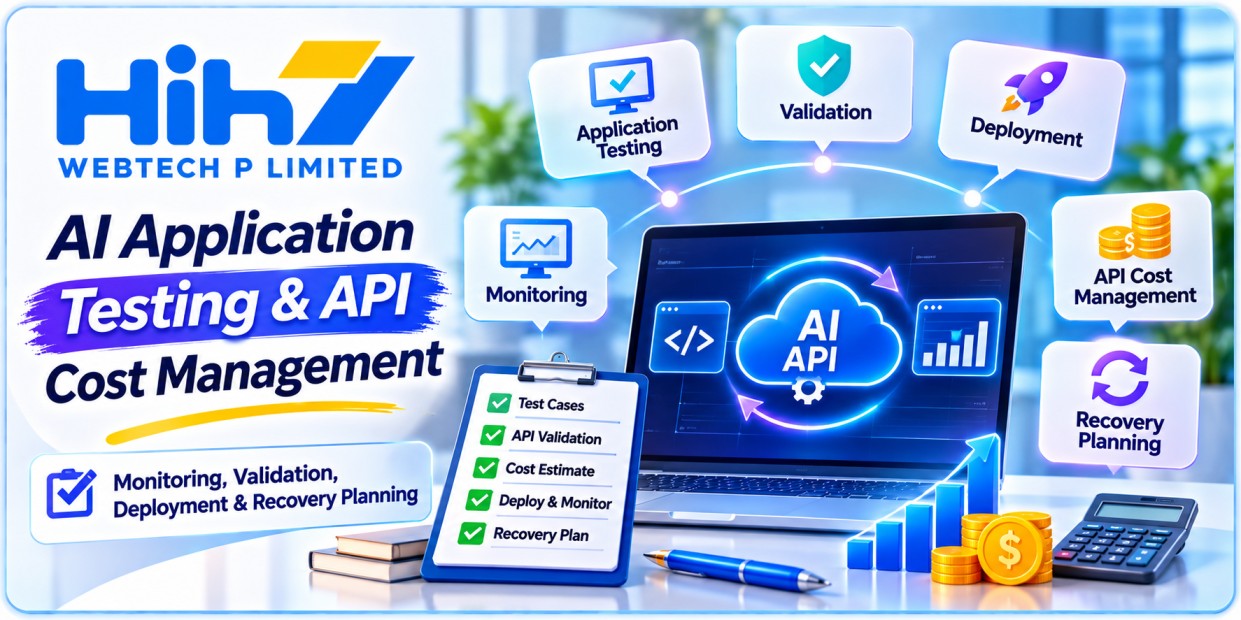
Validate the replacement in staging using the agreed test cases. Record defects in plain business terms: wrong appointment time, missing product code, duplicated request or unsupported claim. Give each issue an owner and decide which failures block release.
Where your architecture allows, release to a limited audience first. Monitor task completion, errors, response time and review effort. These are proposed measurements, not claims that the migration will improve any of them.
Recovery must remain workable after 1 December. Returning to an old model identifier is not a reliable fallback when that identifier is scheduled to route elsewhere. Consider a tested supported configuration, a simpler form-based journey or a clearly signposted human handoff.
Agree who can pause the AI feature and what customers will see during disruption. Keep a short release record with the model configuration, test results, known limitations and approval. This makes later maintenance easier to explain and repeat.
Plan a focused migration review with HIH7
The immediate benefit of this process is a clearer decision: which features are affected, what must be tested, what it may cost and how the business will recover if something fails. It does not guarantee identical answers, lower costs or better conversion rates.
HIH7 Webtech’s web design and development and app design services are relevant starting points for reviewing how an AI feature fits its wider customer journey. Bring the existing integration details, representative tasks, known issues and business priorities to the discussion.
Contact HIH7 to discuss a focused Gemini migration assessment and implementation scope. For businesses in the USA, UK and Australia, the goal is a tested customer workflow, clear ownership and an operating plan that remains understandable after the model changes.